
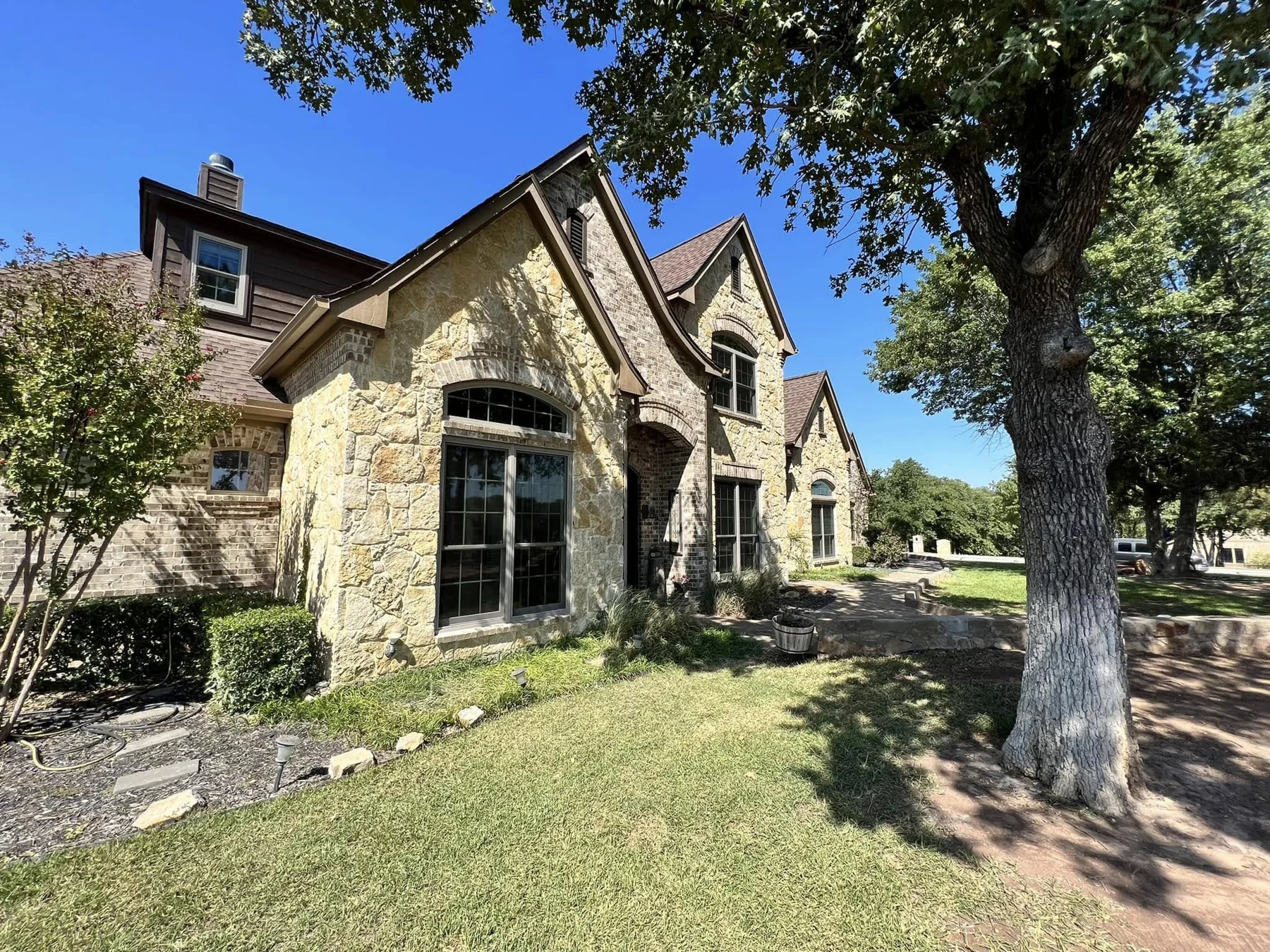
The short answer: replace when the window has failed structurally or the seal has gone, because neither can be repaired. Wait when the problem is hardware, weatherstripping, or a single cracked pane, because all three are cheaper to fix than to replace.
Window companies have an obvious incentive to tell you everything needs replacing. Here is the honest version, written by one.
Seven signs it is genuinely time
- Fog or haze between the panes. The seal on the insulated glass unit has failed and the space between the panes is no longer sealed. It cannot be cleaned, because the moisture is inside a sealed assembly, and that window has lost most of its insulating value.
- The sash will not stay up, or will not latch. Occasionally this is balance hardware and is repairable. When the frame itself has racked out of square, it is not.
- You can feel air moving with the window shut. Hold the back of your hand near the frame on a windy day. Draft at the sash is often weatherstripping. Draft at the frame-to-wall joint is an installation or frame problem.
- Visible rot, soft wood, or crumbling glazing putty. Once water is in the frame, patching buys a season at most.
- Single pane glass. Common in DFW homes built before the mid 1980s. There is no retrofit that makes a single pane perform like an insulated unit.
- Rooms that are noticeably hotter than the rest of the house in August. Usually a west or south facing elevation with old clear glass and no low-E coating.
- Condensation or water staining on the interior trim every winter, with no plumbing above it. Water is getting in or the glass is cold enough to condense room air on.
Three that can wait
- A single cracked or broken pane. On most double-pane windows the glass unit can be replaced without touching the frame, and that is a fraction of the cost of a new window.
- Sticky operation. Tracks full of grit, dried lubricant, or a bent balance are maintenance items. Try cleaning the track before you call anyone.
- Dated appearance alone. A window that seals, operates and insulates properly is doing its job. Cosmetics are a fine reason to replace if you want to, but it is a choice, not a repair.
The North Texas wrinkle
Two local factors move the timeline. Heat cycling here is severe, so seals fail earlier than the manufacturer’s literature suggests, and hail is a genuine risk across the Metroplex. If a storm has hit your neighborhood, get the windows looked at even if the glass is intact, because impact can break a seal without breaking the pane.
Clay soil is the other one. Seasonal movement racks frames out of square, which is why a window that worked fine for a decade suddenly will not latch. We wrote about what clay soil does to windows and doors separately.
How to decide without guessing
If you are unsure, look at it this way. Seal failure and frame failure are terminal; everything else is usually a repair. A good contractor will tell you when it is the second kind, and the ones who will not are telling you something about themselves.
If it does turn out to be replacement, the frame material matters more here than in a mild climate. We covered vinyl, fiberglass, wood and clad in DFW heat in detail.
Going Green Concepts is family owned and has been replacing windows and doors across DFW for more than twenty years. Estimates are free and there is no obligation. Call (682) 209-1449 or see our project cost calculator for a rough range first.